Pipmed Medical Pipmed Medical

How Does Medical Imaging Work in Modern Healthcare?

Time:2026-07-18 Author:Sienna
0%

In modern healthcare, medical imaging plays a crucial role. It aids in diagnosis and treatment. Dr. Emily Chen, a leading expert in radiology, states, “Medical imaging transforms the way we understand health.” But how does medical imaging work?

Understanding how medical imaging works involves various technologies. X-rays, MRI, and CT scans are common techniques. Each method has its own purpose and benefits. Yet, despite advancements, challenges remain. Not all patients receive equal access to imaging services. Furthermore, the interpretation of images requires skilled professionals. This creates a gap where some results may be overlooked.

As we explore how medical imaging works, we recognize its impact on patient care. However, improvements are needed to ensure everyone benefits from these advancements. The journey of understanding health through imaging is ongoing, requiring continuous learning and adaptation.
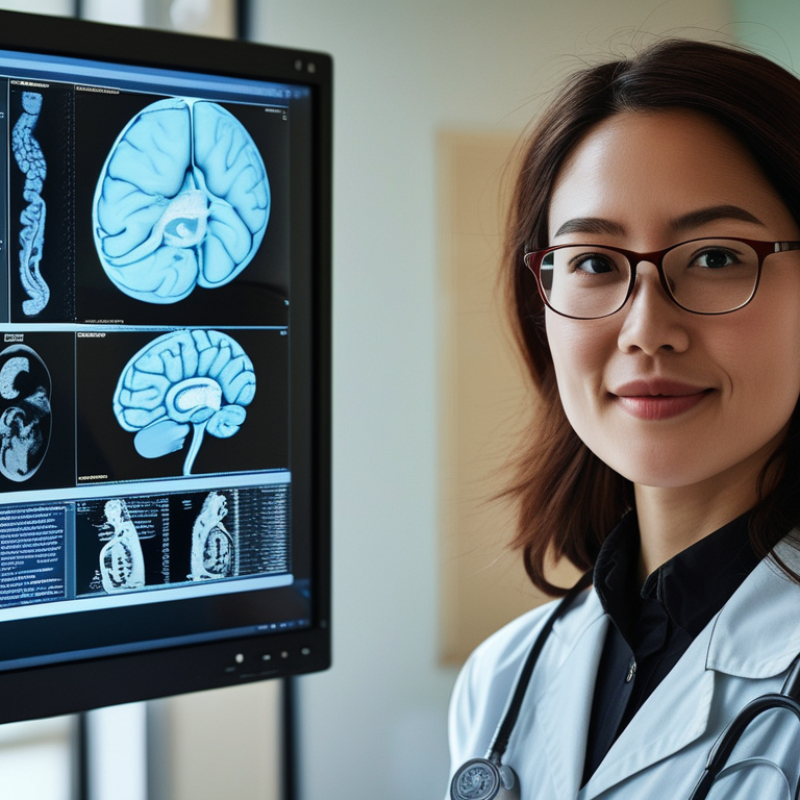
How Does Medical Imaging Work in Modern Healthcare?

The Fundamentals of Medical Imaging Techniques in Healthcare

Medical imaging is a vital component of modern healthcare. Various techniques are employed to provide detailed insights into a patient's condition. X-rays, ultrasounds, CT scans, and MRIs are commonly used methods. Each technique serves distinct purposes, enhancing diagnostic accuracy.

Ultrasound, for example, uses high-frequency sound waves to visualize soft tissues and organs. It is widely used in prenatal examinations and for assessing organ health. X-rays are invaluable for detecting fractures and issues within bones. However, they expose patients to radiation, raising safety concerns. The understanding of risks is essential for informed decisions.

MRI is another advanced technique that employs powerful magnets and radio waves. It provides high-resolution images of internal structures without radiation. Still, the process can be lengthy, often causing discomfort. Patients in confined spaces may feel anxious. Recognizing these challenges is important for improving patient experiences during these procedures. Balancing the benefits and risks is critical in advancing medical imaging in healthcare.

How Does Medical Imaging Work in Modern Healthcare?

Imaging Technique Principle Common Uses Advantages Limitations
X-ray Uses ionizing radiation to create images of the body's structures. Bone fractures, dental imaging, and chest scans. Fast, inexpensive, widely available. Exposure to radiation, limited soft tissue imaging.
CT Scan Uses X-ray measurements taken from different angles. Trauma, cancer detection, and internal bleeding. Detailed images, faster than MRI. Higher radiation dose than X-ray.
MRI Uses strong magnetic fields and radio waves to generate images. Soft tissue imaging, brain scans, and joint evaluations. No radiation, excellent soft tissue contrast. Longer scan times, expensive equipment.
Ultrasound Uses high-frequency sound waves to produce images. Pregnancy monitoring, organ evaluations, and cardiac assessments. Safe, no radiation, real-time imaging. Limited depth of penetration, operator-dependent.
PET Scan Uses radioactive tracers to visualize metabolic activity. Cancer diagnosis, neurological disorders, and cardiac issues. Provides information about physiological functions. Exposure to radiation, limited resolution.

Types of Medical Imaging Modalities and Their Applications

Medical imaging is essential to modern healthcare. It includes various modalities that help diagnose and treat conditions. Each imaging technique serves a unique purpose, enhancing patient care through detailed visual information.

X-rays are among the most common imaging methods. They are particularly useful for diagnosing bone fractures. According to the World Health Organization, around 1.4 billion X-ray procedures are performed annually. CT scans combine X-ray technology with computer processing to provide cross-sectional images of the body. These scans have improved the accuracy of diagnosing tumors, enabling early intervention.

MRI is invaluable for soft tissue visualization. It assists in diagnosing neurological disorders and musculoskeletal issues. The U.S. market for MRI systems is projected to grow by 5.5% annually, reflecting its increasing importance. Ultrasound is widely used in obstetrics. It allows for real-time imaging during pregnancy, ensuring fetal health is monitored.

**Tip:** Patients should always communicate their medical history to healthcare providers. This helps ensure the right imaging modality is chosen and enhances the accuracy of results.

Consider the evolving landscape of imaging technologies. Many facilities are adopting digital imaging systems. This shift improves efficiency but raises questions about data security and accessibility.

**Tip:** Be proactive in understanding your imaging options. Ask your healthcare provider about the risks and benefits of each type. This will help you make informed decisions about your health.

The Role of Medical Imaging in Diagnosis and Treatment Planning

Medical imaging plays a vital role in modern healthcare. It aids in accurate diagnosis and effective treatment planning. Technologies such as X-rays, MRIs, and CT scans allow clinicians to visualize the human body. This insight is crucial for identifying diseases early and tailoring treatment strategies to individual patients.

The precision of medical imaging enhances decision-making. Physicians can observe tumors, fractures, and other abnormalities in detail. Such images lead to informed discussions between doctors and patients. However, over-reliance on imaging can present challenges. Misinterpretations may occur, leading to unnecessary anxiety or procedures. Moreover, these technologies can be costly and increase patient exposure to radiation.

Continuous advancements in medical imaging are essential. As techniques become more refined, they help in reducing risks and improving outcomes. Yet, the integration of these technologies into healthcare requires ongoing training. Clinicians need to stay updated on best practices and ethical considerations. Balancing the benefits and potential downsides is crucial for optimal patient care.

Advancements and Innovations in Medical Imaging Technologies

Medical imaging technologies have advanced significantly in recent years, revolutionizing modern healthcare. Innovations such as MRI, CT scans, and ultrasound have improved diagnostic accuracy. These techniques allow for non-invasive observation of internal structures in the body. This capability is crucial for early disease detection and monitoring treatment progress.

One recent advancement is the integration of artificial intelligence (AI) in imaging analysis. AI algorithms can enhance image quality and identify patterns that may be overlooked by human eyes. This technology can reduce interpretation time for radiologists and improve patient outcomes. However, the reliance on AI raises ethical questions about accuracy and accountability. Regular audits of AI processes must occur to ensure proper oversight.

**Tips:** When seeking imaging tests, consider discussing the latest technologies with your healthcare provider. Not all facilities have the same equipment. Also, it’s essential to ask about the benefits and risks associated with different imaging methods. Understanding these factors can empower patients to make informed choices about their healthcare paths.

Advancements in Medical Imaging Technologies (2015-2023)

Challenges and Future Directions in Medical Imaging Practices

Medical imaging plays a crucial role in modern healthcare, providing key insights into patient conditions. However, it faces significant challenges. A report from the Radiological Society of North America highlights that radiologists are overwhelmed, with an estimated 60% of their time spent on non-interpretative tasks. This inefficiency can lead to burnout and errors, impacting patient care.

Emerging technologies promise to reshape medical imaging practices. Artificial intelligence is one such innovation. According to a survey by IBM, 77% of healthcare executives believe that AI will improve diagnostic accuracy. Yet, integrating AI into existing workflows raises questions. There is still a need for human oversight to ensure reliability and context-sensitive decision-making.

Tips: Invest time in training staff on new tools. Encourage collaboration between radiologists and data scientists to harness AI effectively. Regularly review processes to identify bottlenecks, ensuring that imaging practices remain patient-centered and efficient. Engaging in ongoing education will keep teams updated on both technology and best practices.

FAQS

: What advancements have been made in medical imaging technologies?

: Medical imaging technologies like MRI, CT scans, and ultrasound have significantly improved diagnostic accuracy and treatment monitoring.

How does artificial intelligence (AI) contribute to medical imaging?

AI enhances image quality, identifies patterns, and reduces interpretation time for radiologists, aiding in better patient outcomes.

What ethical concerns arise from the use of AI in medical imaging?

Reliance on AI raises questions of accuracy and accountability, necessitating regular audits to ensure proper oversight.

Why is it important to discuss imaging technologies with healthcare providers?

Not all facilities have the same equipment, and understanding benefits and risks helps patients make informed choices.

What challenges do radiologists face in their workflow?

Radiologists spend about 60% of their time on non-interpretative tasks, leading to inefficiency, burnout, and potential errors.

What do healthcare executives believe about the impact of AI on diagnostics?

A survey indicates 77% of executives believe AI will improve diagnostic accuracy significantly.

How can organizations better integrate AI into medical imaging?

Staff training, collaboration between radiologists and data scientists, and process reviews can enhance AI integration.

What should be regularly reviewed in medical imaging practices?

Ongoing reviews help identify bottlenecks and ensure that imaging practices remain efficient and centered on patient care.

How important is continuous education in medical imaging?

Continuous education keeps teams updated on technology and best practices, which is vital in evolving healthcare settings.

What is a potential downside of heavy reliance on AI in medical imaging?

Over-reliance on AI could lead to diminished human oversight, potentially compromising the quality of patient assessments.

Conclusion

Medical imaging plays a crucial role in modern healthcare by providing detailed insights into the human body, which aids in diagnosis and treatment planning. Understanding how does medical imaging work involves exploring various techniques such as X-rays, MRIs, CT scans, and ultrasounds, each with unique applications tailored to different medical needs. These modalities enhance the accuracy of diagnoses, allowing healthcare professionals to devise effective treatment strategies.

Advancements and innovations in medical imaging technologies are continuously evolving, leading to improved resolution, faster processing times, and enhanced patient safety. Despite these advancements, challenges remain, including the need for standardized practices and addressing ethical concerns related to imaging use. Looking forward, the future of medical imaging holds promise with developments in artificial intelligence and machine learning, which aim to further streamline imaging processes and improve patient outcomes.

Sienna

Sienna

Sienna is a skilled marketing professional with a deep expertise in our company’s core products and services. With a passion for innovation and detail, she plays a pivotal role in crafting insightful blog posts that not only highlight the unique features of our offerings but also provide valuable......